
Introduction
Cooking mung beans is a simple yet rewarding experience that can elevate your meals with their rich flavor and nutritional benefits. These tiny legumes are not only versatile but also packed with protein, making them a great choice for anyone looking to incorporate more plant-based options into their diet. Whether you’re a busy professional or a homemade-food enthusiast, learning how to cook mung beans effectively can save you time while providing delicious and nutritious meals.

Mung beans are particularly popular in Asian cuisine, where they are used in a variety of dishes ranging from soups to salads. One of the best things about cooking mung beans is their quick cooking time compared to other legumes, especially when soaked beforehand. This guide will walk you through the essential steps of soaking, boiling, and cooking mung beans to perfection, ensuring you get the best flavor and texture.
To start, it’s important to rinse the mung beans thoroughly to remove any impurities. Soaking them for a couple of hours, or even overnight, can significantly reduce the cooking time and enhance their digestibility. Once soaked, boiling them is straightforward and requires minimal supervision, allowing you to focus on other meal prep or enjoy a well-deserved break.
In the following sections, we will cover the ingredients, cooking instructions, and additional tips to help you master the art of cooking mung beans. Get ready to impress your friends and family with this nutritious side dish that complements a range of meals!
Key Ingredients
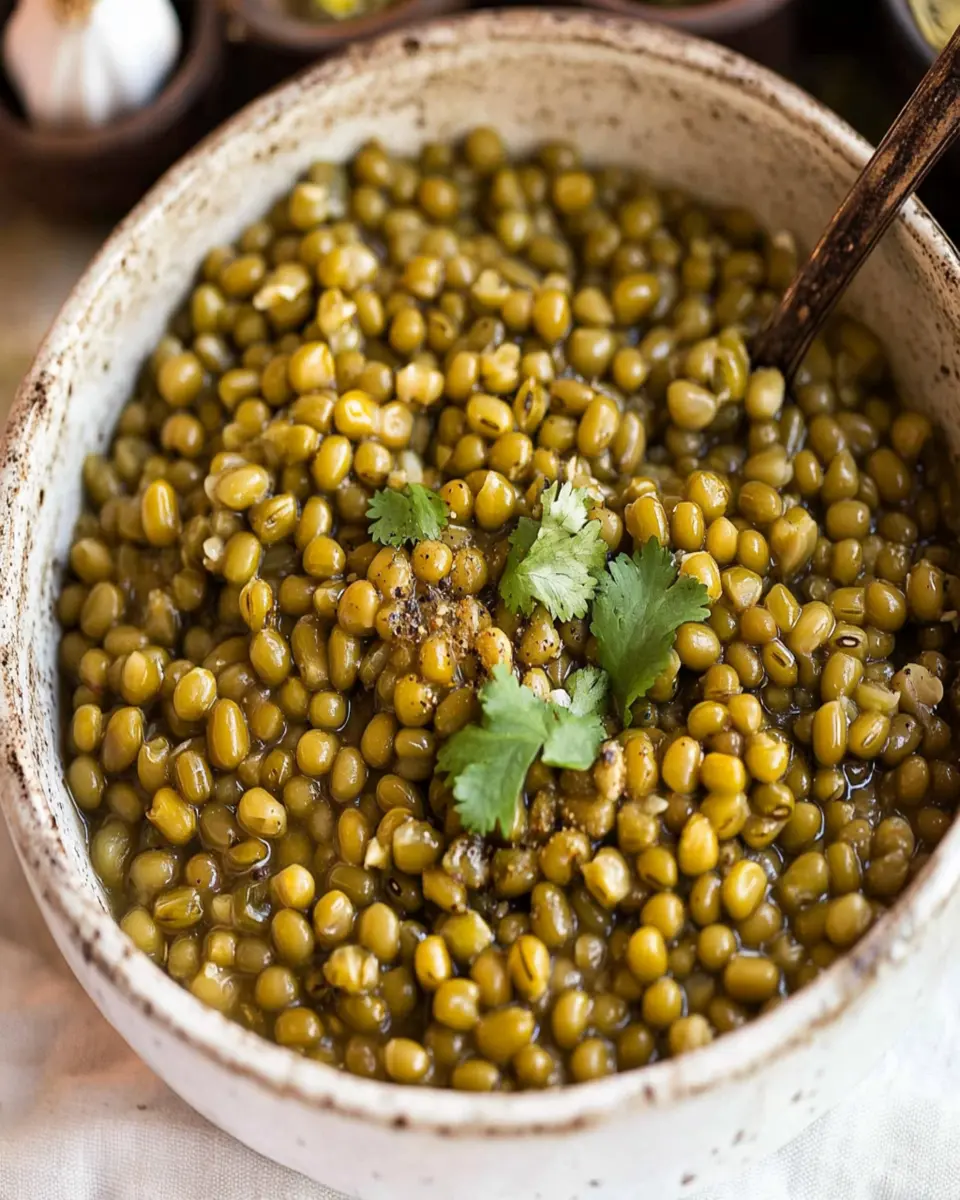
Mung Beans (1 cup): These small green legumes are a powerhouse of nutrients, packed with protein, fiber, and essential vitamins. They are the star of the dish, providing a hearty base for numerous recipes.
Water (3 cups): Fresh water is essential for cooking mung beans, allowing them to soften and absorb flavors. It ensures the beans cook evenly and achieve the desired tenderness.
Why You’ll Love This Recipe
Cooking mung beans is not only a breeze, but it also leads to a nutritious and flavorful addition to your meals. You’ll love this recipe because it caters to busy lifestyles while delivering a hearty side dish packed with protein and fiber. The versatility of mung beans allows you to incorporate them into salads, soups, or serve them as a standalone dish, making each meal exciting.
What’s more, the simplicity of this recipe means that even if you’re time-pressed, you can still enjoy a home-cooked meal without the hassle. With just a few ingredients and minimal prep time, you can create a delicious dish that’s both satisfying and healthy. Plus, mung beans are naturally vegan and gluten-free, making them an excellent choice for those with dietary restrictions.
This cooking method enhances their delicate flavor, allowing you to season them to your taste. Whether you decide to keep it simple or add your favorite spices and vegetables, the possibilities are endless. Ready to learn how to cook mung beans? Let’s dive into the recipe!
Variations
Cooking mung beans offers a multitude of exciting variations that can cater to your taste preferences and dietary needs. Whether you’re looking to spice things up or create a comforting dish, there are several ways to enjoy this nutritious legume.
Spiced Mung Beans
For a flavorful twist, consider adding spices such as cumin, turmeric, or coriander during the cooking process. These spices not only enhance the taste but also bring additional health benefits, making your meal even more nutritious. A dash of chili powder or fresh herbs like cilantro can also add a vibrant kick.
Mung Bean Salad
If you prefer a refreshing option, try turning your cooked mung beans into a salad. Combine them with diced cucumbers, tomatoes, and a squeeze of lemon juice for a light and healthy dish. This variation is perfect for warm days and can be served as a side or a main course.
Mung Bean Soup
For a warming dish, transform your mung beans into a soup. Simply sauté onions and garlic, then add the cooked beans along with vegetable broth. You can throw in your favorite vegetables and seasonings for a hearty, comforting soup that’s perfect for chilly evenings.
These variations not only keep your meals exciting but also allow you to customize them based on what you have on hand. With these ideas, you’ll never run out of ways to enjoy how to cook mung beans!
Cooking Tips and Notes
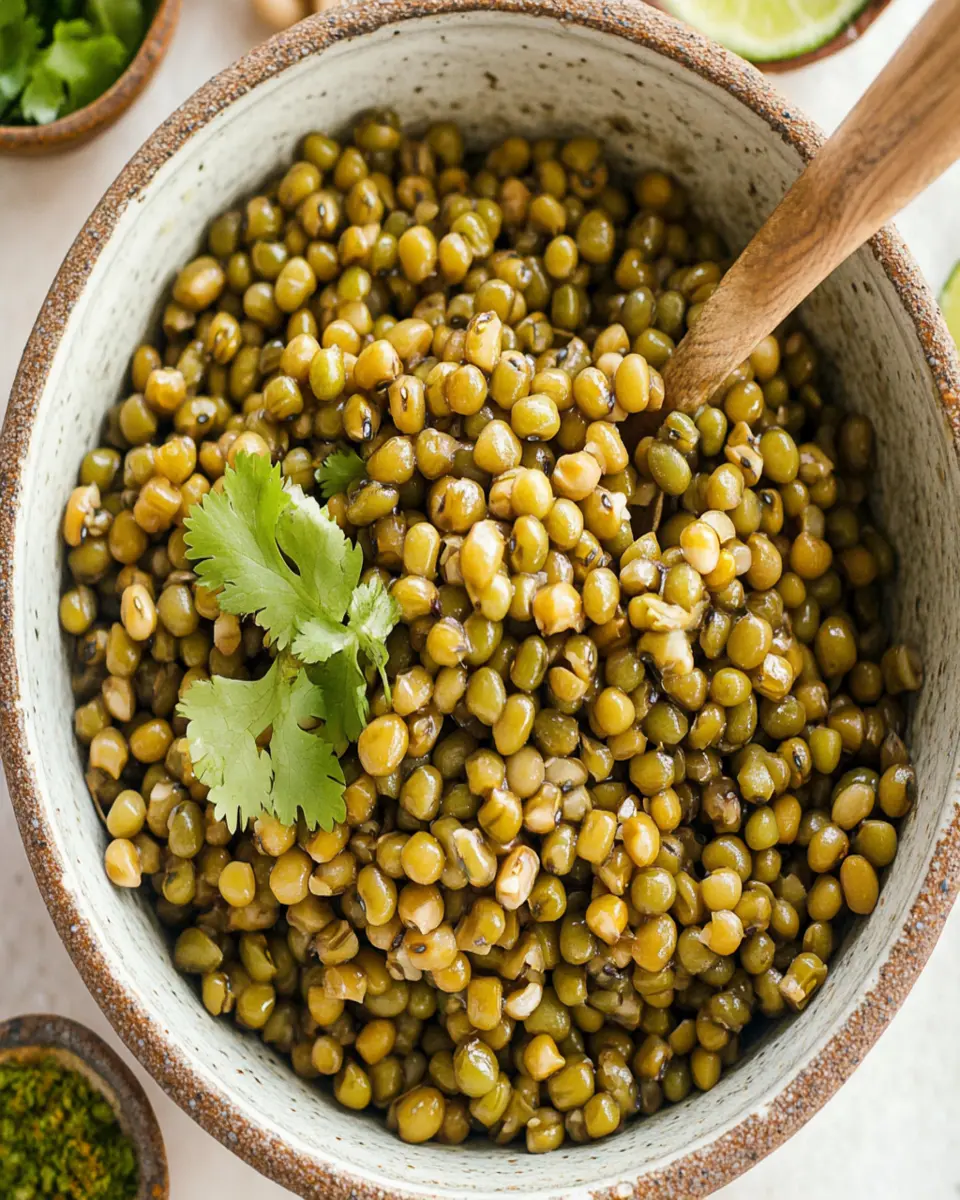
Cooking mung beans is straightforward, but a few tips can help you achieve the best results. First, always rinse the mung beans under cold water until the water runs clear. This step removes any dust or impurities, ensuring a cleaner taste and texture.
Soaking the beans is another crucial step. If you have the time, soaking them overnight not only reduces cooking time but also improves their digestibility. If you’re in a hurry, soaking for at least two hours will still yield great results.
While you can enjoy mung beans plain, consider enhancing their flavor by adding spices or vegetables to the cooking water. Ingredients like garlic, ginger, or diced onions can infuse the beans with a delightful aroma and taste, making your dish more satisfying. When cooking, keep an eye on the beans as they simmer; they should be tender but not mushy. A final tip is to season the beans after cooking, allowing you to adjust flavors to your liking. With these cooking tips, you’ll be well on your way to mastering how to cook mung beans!
Serving Suggestions
Cooking mung beans opens the door to a variety of delicious serving options that can complement any meal. Whether you’re looking for a healthy side dish or a main course, mung beans can be incredibly versatile.
Mung Bean Stir-Fry
One delightful way to serve mung beans is in a stir-fry. After cooking, toss them with your favorite vegetables such as bell peppers, broccoli, and snap peas. A splash of soy sauce or sesame oil can add a delicious umami flavor, making for a quick and healthy meal.
Mung Bean Curry
For a heartier option, consider making a mung bean curry. Combine the cooked mung beans with coconut milk, curry spices, and your choice of vegetables. Serve it over rice or with naan bread for a comforting and satisfying dish.
Mung Bean Tacos
Get creative by using mung beans as a filling for tacos. Season the cooked beans with taco spices, then load them into corn tortillas with toppings like avocado, salsa, and fresh cilantro. This twist on traditional tacos is both filling and nutritious.
These serving suggestions not only highlight the versatility of mung beans but also cater to various flavors and cuisines. With a little creativity, you can easily incorporate how to cook mung beans into different meals throughout the week.
Time Breakdown
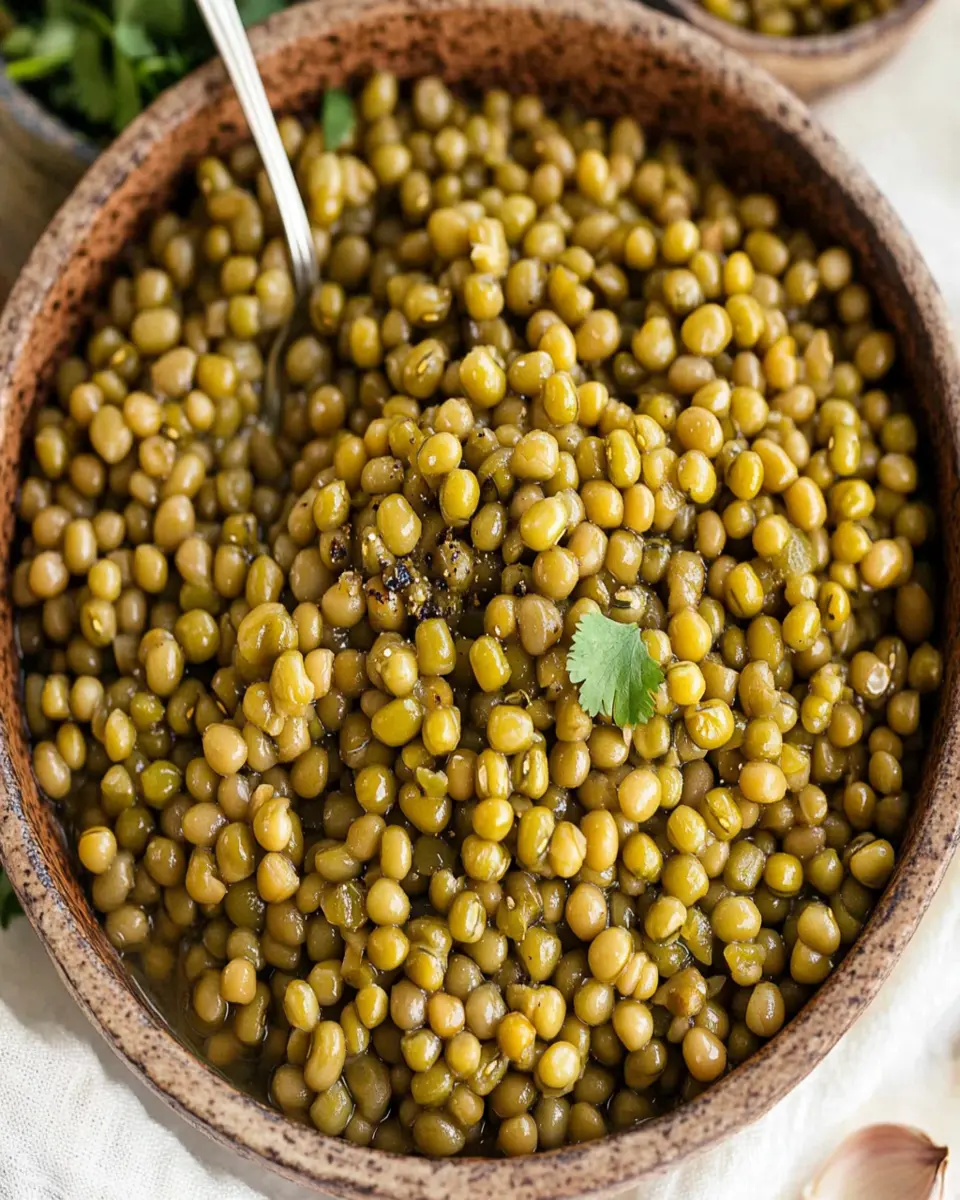
Cooking mung beans is quick and straightforward, making it a great choice for busy individuals. Here’s a quick breakdown of the time involved in preparing this nutritious dish.
Preparation
Preparation takes about 10 minutes, including rinsing and soaking the mung beans.
Cooking
The actual cooking time is approximately 30 minutes, allowing the beans to become tender and flavorful.
Total
In total, you can expect to spend around 40 minutes from start to finish, including soaking time. To save time, consider soaking the beans overnight, as this will significantly cut down on cooking time.
Nutritional Facts
Cooking mung beans not only provides a delicious dish but also packs a nutritional punch. Each serving of cooked mung beans (1 cup) contains approximately 120 calories, making them a low-calorie yet satisfying option. They are rich in protein, offering about 8 grams per serving, and are an excellent source of dietary fiber, with 8 grams contributing to digestive health.
Mung beans are also low in fat, containing only 0.5 grams total fat, and are free from cholesterol. With 22 grams of carbohydrates, they provide sustained energy, while their low sodium content (only 5 mg) makes them a heart-healthy choice. This combination of nutrients makes mung beans a fantastic addition to any meal, especially for those seeking plant-based protein options.
FAQ based on “People Also Ask” section
How long do you soak mung beans before cooking?
Soaking mung beans for at least 2 hours is recommended, but soaking them overnight yields better results. This process softens the beans and reduces cooking time, making them easier to digest.
Are mung beans good for health?
Yes, mung beans are highly nutritious. They are rich in protein, fiber, and essential vitamins while being low in calories and fat. Incorporating them into your diet can support digestive health and provide sustained energy.
How do you know when mung beans are done cooking?
Mung beans are done when they are tender and easily mashable between your fingers or with a fork. Typically, they take about 30 minutes to cook after soaking, but it’s always good to taste them for your desired texture.
Can you cook mung beans without soaking?
While it’s possible to cook mung beans without soaking, it will take longer, generally about 45 minutes to an hour. Soaking helps to speed up the cooking process and improves digestibility, making it a worthwhile step.
Conclusion
Cooking mung beans is a simple yet rewarding process that can enrich your meals with both flavor and nutrition. By following the steps outlined in this guide, you can easily prepare this versatile ingredient, turning it into a delicious side dish or a hearty addition to various recipes. With just a few ingredients and minimal effort, you can enjoy the health benefits of mung beans, which are packed with protein, fiber, and essential nutrients.
Whether you choose to serve them plain, add spices, or incorporate them into salads and stir-fries, the possibilities are endless. This recipe not only caters to those seeking plant-based options but also fits well into busy lifestyles. So why not give it a try? Cook, save, share, or comment on your experiences with mung beans, and enjoy the delightful results of your kitchen endeavors!
Print
How to Cook Mung Beans
- Total Time: 40 minutes
- Yield: 2 servings 1x
- Diet: Vegan
Description
A detailed guide on how to cook mung beans with information on soaking, boiling, and additional cooking tips.
Ingredients
- 1 cup mung beans
- 3 cups water
Instructions
- Rinse the mung beans under cold water until the water runs clear.
- Soak the beans in water for at least 2 hours or overnight for better results.
- Drain the soaked beans and transfer them to a pot.
- Add 3 cups of fresh water to the pot with the drained mung beans.
- Bring the water to a boil, then reduce the heat to a simmer.
- Cover the pot and cook the beans for about 30 minutes, or until tender.
- Season as desired and serve.
Notes
- If you have time, soaking the beans overnight will reduce cooking time.
- You can add spices or vegetables to the cooking water for extra flavor.
- Prep Time: 10 minutes
- Cook Time: 30 minutes
- Category: Side Dish
- Method: Boiling
- Cuisine: Asian
Nutrition
- Serving Size: 1 cup cooked
- Calories: 120
- Sugar: 1g
- Sodium: 5mg
- Fat: 0.5g
- Saturated Fat: 0g
- Unsaturated Fat: 0.5g
- Trans Fat: 0g
- Carbohydrates: 22g
- Fiber: 8g
- Protein: 8g
- Cholesterol: 0mg